
When the Body Says No: Trauma, Stress & the Hidden Language of Physical Symptoms
Have you ever experienced:
Sudden back pain with no clear medical cause?
Eczema or psoriasis that appeared during a stressful time?
Fatigue that won’t lift?
Nausea or headaches around a specific person?
Of course, it is always important to rule out medical causes with a qualified healthcare professional.
But what if some symptoms are not random?
What if they are messages from your nervous system?
There is growing evidence in trauma research that unresolved stress, suppressed emotion and nervous system dysregulation can manifest as physical symptoms. Sometimes the body says no when we cannot.
What Trauma Research Tells Us
Physicians and trauma specialists such as Gabor Maté, Peter Levine and Bessel van der Kolk have shown how emotional suppression and chronic stress impact the body.
In The Body Keeps the Score, van der Kolk explains that trauma is not just remembered cognitively — it is stored physiologically.
The nervous system reacts to perceived threat whether that threat is physical, emotional or relational. If we override stress signals repeatedly, ignore our limits, or stay in unsafe dynamics, the body may escalate its communication.
Whispers become symptoms.
Tension becomes inflammation.
Overgiving becomes collapse.
The body is not betraying you. It is protecting you.
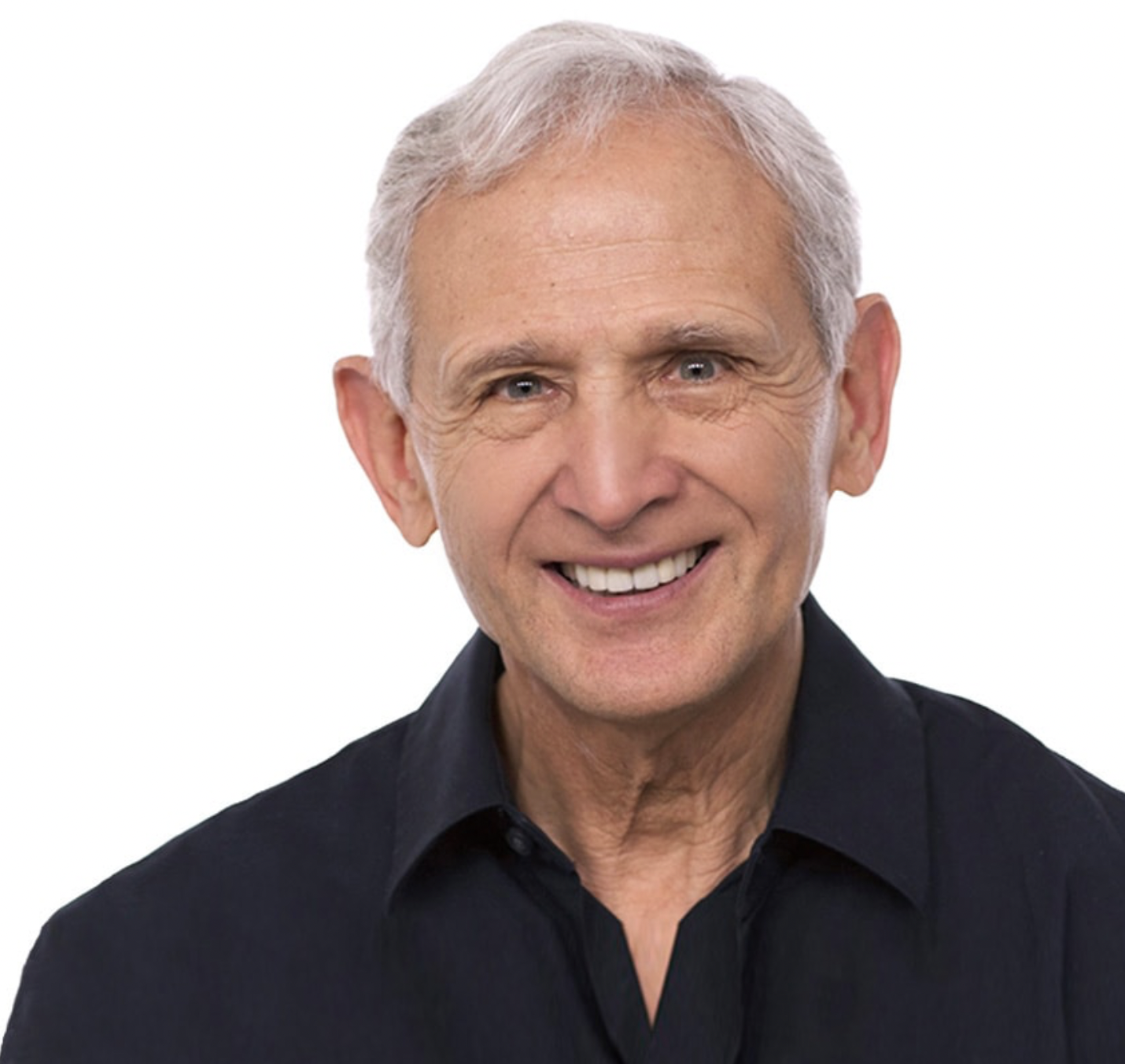
Peter Levine - Author of “Waking the Tiger, Healing Trauma”.
How the Subconscious Uses the Body to Protect You
In my work — both in Rapid Transformational Therapy (RTT) and embodiment coaching — I frequently see physical symptoms reveal themselves as protective strategies.
When we access the subconscious in a safe, regulated way, and speak directly to the “part” creating the symptom, we often discover that it has a purpose.
A skin condition may be about boundaries.
Back pain may relate to carrying too much responsibility.
Fatigue may be the nervous system forcing rest.
A stutter may once have been armour.
When the root emotional imprint is acknowledged and updated, the body often no longer needs to express the symptom so loudly.
The body is intelligent.
It adapts in order to survive.
A Personal Lesson in Overriding My Limits
A few years ago, I was supporting someone very close to me who was deeply unwell but unwilling to seek help.
I overrode my own limits for longer than I should have.
Eventually, my body intervened.
For the first time in my life, I developed severe eczema. The skin on my hands and feet peeled. I broke out in hives. My back seized. I could barely walk. Even thinking about the situation left me unable to get off the sofa.
In regression, the symbolism was clear:
My hands — constantly helping — were inflamed and damaged.
My feet and back — the parts that allowed me to keep going — stopped me.
The message was simple: Stop.
Within two weeks of stepping back and restoring boundaries, the symptoms receded.
My body had enforced the boundary I could not.
This pattern — chronic overextension leading to autoimmune flare-ups, fatigue or skin conditions — is something I now see regularly in clients.

When the Nervous System Knows Before the Mind Does
Another experience taught me something equally powerful.
I once believed I felt safe with someone. Consciously, everything seemed fine.
Yet every time we were alone, I would suddenly fall asleep — something completely out of character. As he attempted to become closer, that response shifted into nausea, headaches and shaking.
The symptoms only occurred in his presence. They stopped when I left.
My conscious mind had not identified a threat.
My nervous system had.
This is a classic trauma response — freeze, shutdown, nausea — the body detecting subtle cues of unsafety long before cognition catches up.
The body was saying no.
Case Study: A Severe Stutter as Protection
One client came to me with a severe stutter so intense his entire head jerked forward when he tried to speak.
In regression, we traced it back to childhood — a time when he felt powerless to protect his mother. The exaggerated facial movement and vocal block were not weakness. They were a survival strategy.
A “superhero” response created by the nervous system to gain control in chaos.
When we acknowledged the protective part in trance and updated it — reminding it he was no longer a powerless child — the symptom softened rapidly.
At follow-up, the stutter did not return.
When the subconscious feels safe, the body no longer needs to defend.
Trauma, Weight Gain & Psoriasis
Another client initially came for weight loss.
In regression, a traumatic army experience surfaced — something he had suppressed for years. After that event, he had developed PTSD symptoms, excessive sweating, weight gain and severe psoriasis.
His nervous system had remained in chronic fight-or-flight.
The day after his RTT session, he reported feeling deeply relaxed for the first time in years. He also shared that the psoriasis he had lived with since the trauma had cleared overnight.
Experiences like this are humbling.
They reinforce what trauma research continues to show: when the nervous system regulates and trauma is processed safely, the body can shift — sometimes quickly, sometimes gradually.
Start working with your body
While RTT can create powerful and often rapid change, it is not the only way I work.
Sometimes hypnosis is appropriate — particularly when a root cause is clearly subconscious and ready to be accessed.
But sometimes it isn’t.
Some clients prefer to work more gradually.
Some need to build nervous system stability first.
Some feel safer staying fully conscious and embodied.
Alongside RTT, I offer embodiment-based coaching.
Embodiment coaching focuses on:
Learning to listen to body signals safely
Understanding the “parts” creating symptoms
Regulating the nervous system gently
Rebuilding internal trust
Practising boundaries in real time
Developing emotional resilience
This approach can take longer — but it meets you exactly where you are.
There is no pressure to go faster than your system is ready for.
Sometimes the deepest healing happens through consistent, grounded integration.

Signs Your Body May Be Holding Stress or Trauma
Common stress-related or psychosomatic symptoms include:
Eczema, psoriasis or hives
Digestive issues
Chronic fatigue
Back and shoulder pain
Migraines
Jaw tension
Autoimmune flare-ups
Sudden sleepiness or nausea in certain environments
These symptoms are real. They are not imagined.
But they may be signals of nervous system dysregulation rather than purely structural problems.
Listening Before the Body Has to Shout
You do not have to wait for dramatic symptoms.
You can begin by:
Checking in with daily body sensations
Noticing when tension rises around certain people
Asking what a symptom might be protecting you from
Practising nervous system regulation
Exploring subconscious beliefs through RTT
Working gradually through embodiment coaching
The body always whispers before it shouts.
Which Approach Is Right for You?
If you are experiencing trauma-related physical symptoms, chronic stress, or nervous system dysregulation, the best first step is simply a conversation.
Together we can explore:
Whether RTT regression feels aligned
Whether embodiment coaching would suit you better
Or whether a blended approach is appropriate
Healing is not about forcing change.
It is about finding the approach that resonates most deeply with your system.
If you’re curious about what your body may be trying to communicate, you’re welcome to get in touch for a conversation and see what feels right for you.
Important Note
This work complements but does not replace medical diagnosis or treatment. Always consult a qualified healthcare professional regarding physical symptoms.